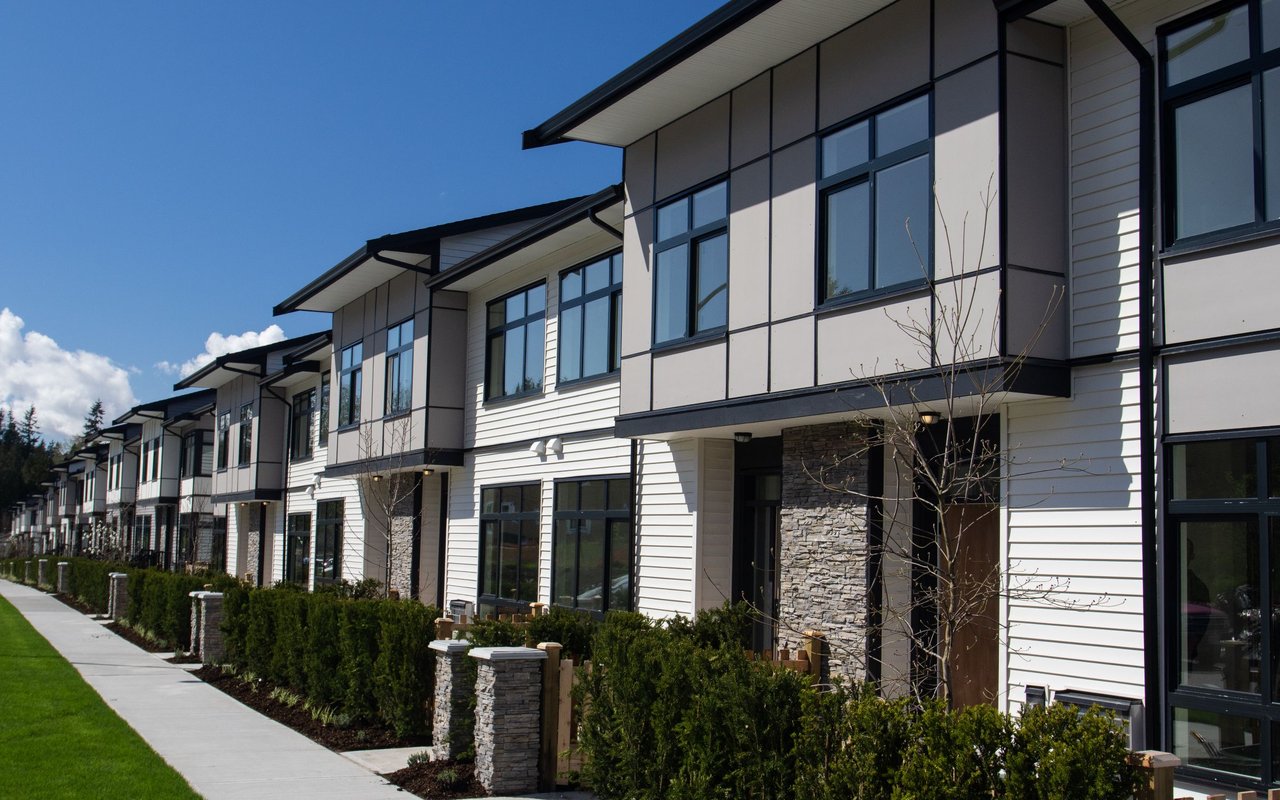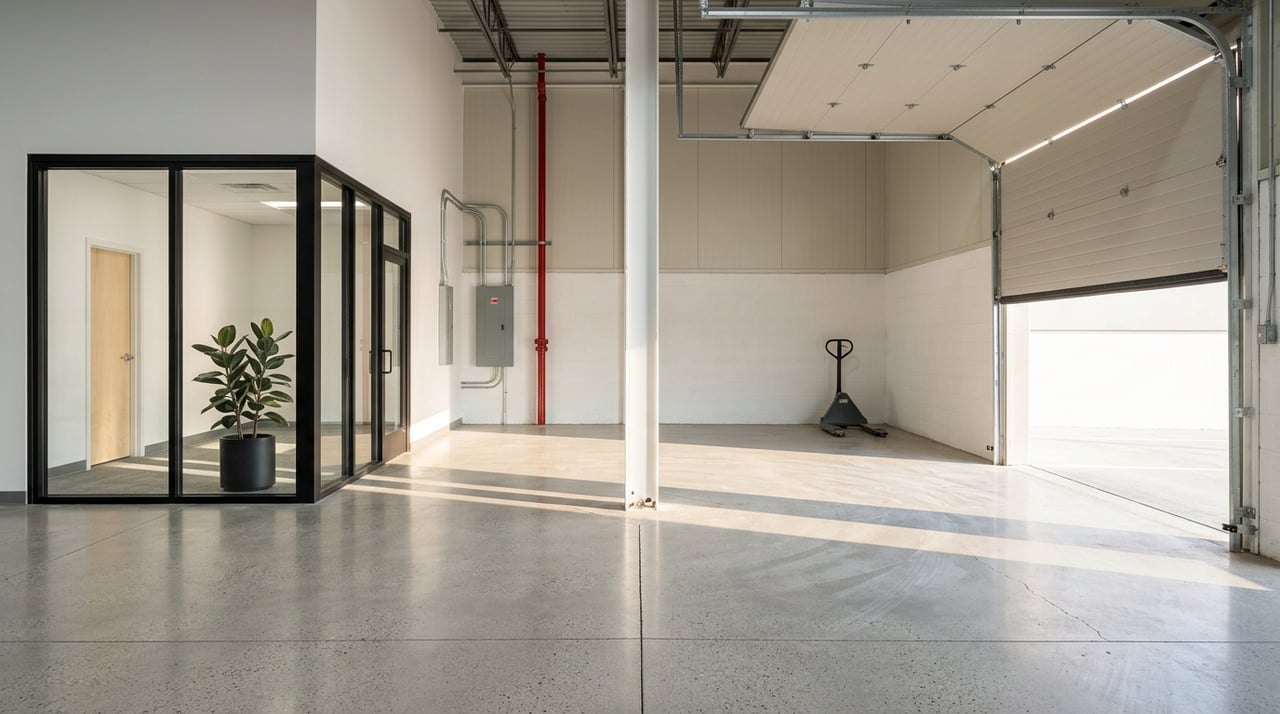
Need a practical industrial space in Lakewood that actually works for your operation? If you are a local manufacturer, fabricator, service business, or contractor, you already know the challenge is not just finding square footage. It is finding the right mix of access, power, loading, and layout in a market where many buildings are older and supply can feel tight. This guide will help you understand what Lakewood small-bay industrial really looks like, what to compare, and how to make a smarter decision. Let’s dive in.
Why Lakewood Fits Local Manufacturers
Lakewood is not a big-box industrial market. It is better understood as a small-bay and flex market that supports businesses needing practical space close to the Denver metro.
That matters if your operation depends on local service routes, central access, or a mix of office, warehouse, and light production space. Lakewood’s transportation network includes 6th Avenue, U.S. 285, and I-70, and the city also has seven light rail stops along the W Line. For many local operators, that combination supports both daily logistics and employee access.
What Small-Bay Industrial Means
In broad market terms, shallow-bay industrial usually means buildings under 50,000 square feet with clear heights of about 14 to 28 feet. These spaces are commonly used by smaller occupiers, and current market research points to strong demand relative to available supply.
In Lakewood, the available inventory often leans toward older office-warehouse and service-industrial product rather than newer, highly specialized manufacturing buildings. That does not make the market less useful. It just means your search should start with function and fit, not appearances alone.
What Lakewood Inventory Looks Like
Representative public listings show that many Lakewood small-bay options fall between roughly 2,000 and 10,000 square feet. There are also some combined or divisible shallow-bay spaces that stretch into the 15,000 to 25,000 square foot range.
Current examples show a mix of features. Some spaces offer a single drive-in door and modest clear height, while others provide heavier power, multiple loading points, or larger divisible footprints. In practical terms, you can find spaces that may fit a contractor, a light assembly user, a service business, or a regional distributor, but each building tends to have its own tradeoffs.
A key pattern is building age. Sample listings include buildings from 1964, 1973, 1981, and 1985. That lines up with broader market research showing that much of the shallow-bay inventory in major markets was built decades ago.
Why Older Buildings Need Closer Review
Older inventory can still work very well for local manufacturers, but it usually requires more diligence. You may get a better location, a practical layout, or strong utility capacity, but you may also inherit functional limits tied to design, loading, or building systems.
For example, an older building may have enough square footage but lack efficient truck circulation. Another may have the right loading door but not the electrical service your equipment needs. In Lakewood, these details matter more than whether the property looks polished on paper.
Compare Function Before Price
If you are evaluating Lakewood small-bay industrial space, start with how the property supports your operation day to day. Rent or purchase price matters, but it should come after the physical and zoning basics.
Here are the main points to compare.
Clear Height and Layout
Representative Lakewood listings show clear heights from about 12 to 20 feet. For a local manufacturer, that can make a big difference in how you use racking, equipment, mezzanine storage, or a split between office and production.
A lower clear height may still work if your operation is light and space-efficient. But if you need vertical storage or plan to reconfigure the space over time, clear height can affect efficiency more than the asking rate.
Loading Access
Drive-in doors appear to be common in Lakewood small-bay product, and some spaces add dock-high loading. A property with one drive-in door may be enough for some users, while others need multiple access points to avoid operational bottlenecks.
Lakewood’s code also requires loading and unloading to happen on site and not from the right-of-way of collector or arterial streets. That means you should pay close attention to rear access, turning radius, and whether trucks can move through the site without creating daily headaches.
Power Capacity
Power is one of the biggest differentiators in this market. Public listings show everything from 3-phase power in smaller suites to 1,200 amps and even 1,600 amps in larger or more utility-ready spaces.
If your business uses welding, fabrication tools, compressors, or heavier assembly equipment, verify amperage, voltage, and panel condition early. This is one area where assumptions can get expensive fast.
Parking and Site Flow
Parking may sound secondary, but it affects how the space functions for staff, customers, and service vehicles. You should also look at how vehicles enter and exit the site, especially if your operation involves trailers, deliveries, or frequent field crews.
A space with enough interior utility can still underperform if the exterior circulation is awkward. In a market full of older product, site flow often separates workable buildings from frustrating ones.
Understand Lakewood Zoning Context
Zoning should be one of your first filters, not a final check. Lakewood’s LI district is intended for existing and future light industrial uses, including warehousing and distribution. The LI-RD district is intended for research, technology, and light industrial uses. The C-R district is aimed at regional commercial development along major corridors and near highway interchanges.
That framework helps, but it does not replace property-level review. If a site is near residential zoning, the city applies additional compatibility and height-transition standards within 125 feet and 75 feet of the zone boundary. For edge-of-industrial parcels, setbacks and building massing deserve extra attention, especially if you are buying with future improvements in mind.
Pricing in the Lakewood Market
Representative asking rents in Lakewood currently show a range that includes about $11 per square foot per year NNN, $11.77 per square foot per year, and $15 per square foot per year NNN in sample listings. Broader Denver metro industrial reports place asking rents roughly around $10 to $11.76 per square foot NNN, with vacancy around 7.7% to 8.6%.
For 10,000 to 50,000 square foot industrial buildings, reported vacancy is even tighter at 6.3%. That tells you smaller functional industrial space can be more competitive than the headline metro vacancy number suggests.
The practical takeaway is simple: better-located or more functional Lakewood suites can command pricing at or above metro averages. If a space offers stronger access, better power, or more useful loading, the nominal rent may not tell the full story.
Best Fit for Buyers and Tenants
Lakewood small-bay industrial can work well for a range of local operators. That includes local manufacturers, trades, service contractors, and regional distributors who need central metro access and practical functionality.
If you are a buyer, your top filters should usually be:
- Zoning fit
- Power capacity
- Truck circulation
- Long-term functional obsolescence
If you are a tenant, your decision often comes down to:
- Lease term
- NNN expense exposure
- Parking and access
- Whether the space can support future growth
The common thread is that the right choice is rarely about rate alone. A cheaper space that slows down your operation can cost more over time than a better-fit building with a higher asking number.
A Smarter Way to Evaluate Space
When you tour Lakewood industrial properties, it helps to use a simple checklist. That keeps you focused on operational fit instead of getting distracted by cosmetic upgrades or headline pricing.
Use this framework:
- Confirm the zoning supports your intended use
- Measure clear height against your equipment and storage needs
- Count loading doors, then test site access and maneuvering
- Verify power details early
- Review office-to-warehouse balance
- Check building age and likely upgrade needs
- Compare total occupancy cost, not just base rent or price
- Think about whether the space still works if your business grows
This kind of review is especially important in Lakewood because many buildings are older and more functionally mixed. A space may look workable at first glance, but small details can have a big impact on operations.
The Lakewood Opportunity
Lakewood’s industrial story is not about giant new distribution centers. It is about practical, smaller-format space in a central metro location where local businesses can still find useful industrial and flex product.
If you approach the market with the right priorities, there is real opportunity here. The best spaces are often the ones that match your workflow, utility needs, and long-term plans, even if they are not the newest buildings in the market.
If you are weighing a lease, acquisition, or owner-user strategy in Lakewood, working with an advisor who understands industrial function, leasing terms, and long-term real estate value can help you avoid expensive missteps. If you want a practical conversation about your options, connect with Rodolfo Canon.
FAQs
What is small-bay industrial in Lakewood, Colorado?
- Small-bay industrial in Lakewood generally refers to smaller industrial or flex spaces, often under 50,000 square feet, that can support office-warehouse, service-industrial, light manufacturing, contractor, or distribution uses.
What size industrial spaces are common in Lakewood?
- Representative Lakewood listings show many available spaces in the roughly 2,000 to 10,000 square foot range, with some larger or divisible shallow-bay options extending into the 15,000 to 25,000 square foot range.
What features should manufacturers compare in Lakewood industrial space?
- You should compare clear height, loading access, power capacity, parking, truck circulation, zoning fit, and how well the floorplan supports your production or storage needs.
Are Lakewood industrial buildings usually newer or older?
- Many Lakewood small-bay and flex industrial properties appear to be older buildings, with representative listings showing construction dates from the 1960s through the 1980s.
How much does Lakewood small-bay industrial space cost?
- Representative asking rents in current public listings range from about $11 per square foot per year NNN to around $15 per square foot per year NNN, depending on location and functionality.
Why does zoning matter for Lakewood industrial users?
- Zoning matters because Lakewood has specific districts for light industrial, research and development, and regional commercial uses, and properties near residential zones may face added compatibility and height-transition standards.
Is Lakewood a good market for local manufacturers?
- Lakewood can be a strong fit for local manufacturers who need central access, practical loading, and usable small-bay or flex space, especially when they prioritize function over building age alone.